
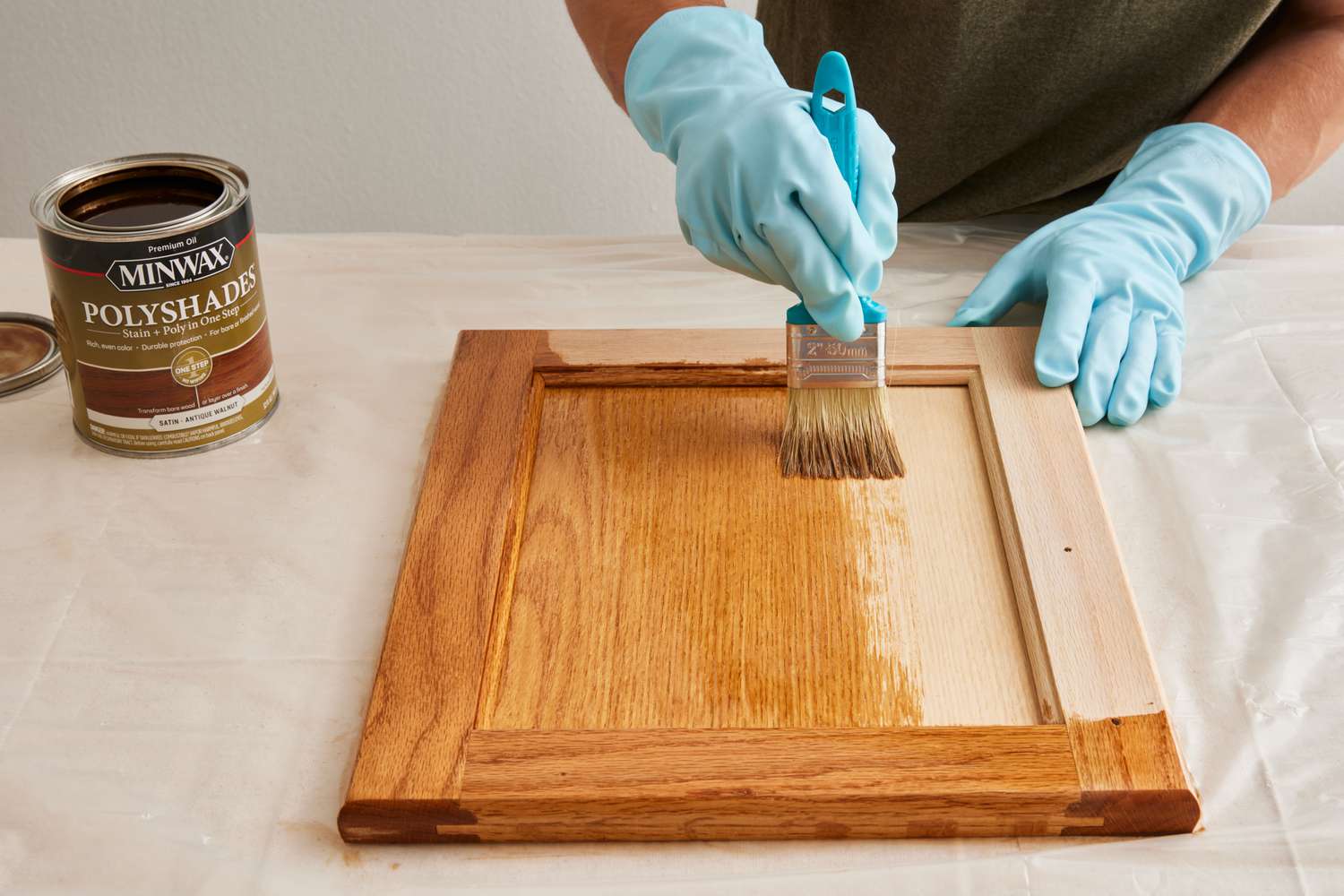
Refinishing kitchen cabinets is a cost-effective way to refresh your space without replacing your cabinetry. By sanding and applying new paint or stain, professionals can transform outdated cabinets into modern, stylish focal points. It’s ideal for homeowners who like their current layout but want a cleaner, updated look with lasting durability.
Your kitchen cabinets can dramatically impact the overall look and value of your kitchen. If your cabinets are worn, dated, or dull, you may be considering giving them a fresh look—but should you reface or refinish? Understanding the difference between the two is key to making the right choice.
This article explores what sets refacing and refinishing kitchen cabinets apart so you can choose the best option for your home.
What’s the Difference Between Refacing and Refinishing Kitchen Cabinets?
Both refacing and refinishing kitchen cabinets are effective ways to update your kitchen without replacing the entire cabinetry. However, the processes, materials used, and outcomes differ significantly.
Here is how each option compares in detail.
Defining Cabinet Refacing
Cabinet refacing involves removing the old cabinet doors and drawer fronts and replacing them with new ones. The cabinet boxes remain intact but are covered with a new veneer, laminate, or wood overlay to match the new doors. New hardware like hinges, handles, and drawer pulls is often included in the refacing process.
Refacing offers a completely new appearance and is ideal for homeowners who want a dramatic transformation without tearing out the entire cabinet structure. It’s commonly used when the existing cabinet layout is functional, but the style is outdated.
Defining Cabinet Refinishing
Refinishing kitchen cabinets refers to changing the surface color or finish of your existing cabinet doors, drawer fronts, and boxes. Unlike refacing, no components are replaced. Instead, professionals clean, sand, and apply new stain, paint, or varnish to give the cabinets a refreshed appearance.
Refinishing kitchen cabinets preserves the original materials, which can be a cost-effective and environmentally friendly option. It’s best suited for homeowners who are happy with their cabinet layout and want a cleaner, less intrusive update to the existing wood finish or paint.
