
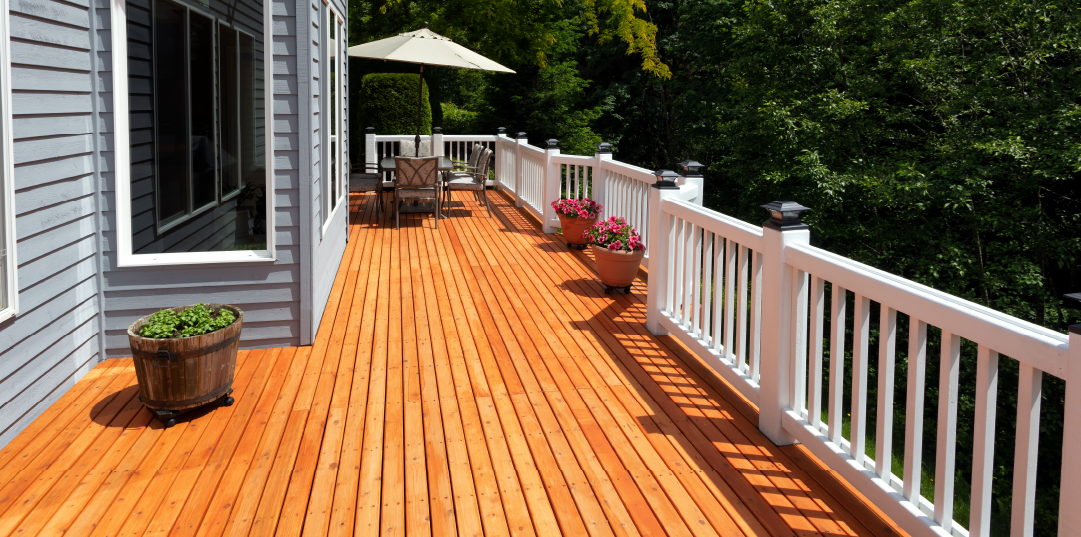
A deck is more than just an addition to your house; it’s an outdoor living room, a hub for summer barbecues, and a quiet spot for morning coffee. This valuable extension of your home requires regular maintenance to keep it safe, beautiful, and ready for years of enjoyment.
Neglecting your deck can lead to costly repairs, structural instability, and a shortened lifespan. Fortunately, a straightforward maintenance routine is all it takes to protect your investment. Follow this guide to keep your deck in top condition season after season.
Step 1: The All-Important Inspection
Before you clean or stain, a thorough inspection is critical for safety. It’s best to do this at least once a year, ideally in the spring. Grab a screwdriver and look for:
- Loose or Damaged Boards: Walk the entire deck, paying attention to any boards that feel spongy, soft, or bouncy. Probe any suspicious spots with a screwdriver; if it sinks in easily, you likely have rot that needs to be addressed.
- Popped Nails or Screws: Hammer down or replace any fasteners that have worked their way up, as they are a serious tripping hazard. For a more permanent fix, replace popped nails with longer deck screws.
- Unstable Railings: Firmly shake the handrails and posts. Any wobble or give is a major safety concern and should be repaired immediately by tightening bolts or reinforcing the structure.
- Structural Integrity: Look underneath your deck at the posts, beams, and joists. Check for signs of rot, insect damage, or cracks, especially where the deck attaches to the house (the ledger board). Ensure support posts are sound and securely anchored.
Step 2: A Deep and Thorough Clean
Once you’ve made any necessary repairs, it’s time to clean away a year’s worth of dirt, grime, mildew, and pollen.
- Prep the Area: Start by removing all furniture, grills, and planters from the deck. Sweep the surface thoroughly with a stiff-bristled broom to remove loose debris like leaves and dirt.
- Choose Your Cleaner:
- For Wood Decks: Use an oxygen-based deck cleaner (often labeled “all-in-one deck cleaner”). It’s effective at removing mildew and dirt without harming your wood or surrounding plants. Avoid chlorine bleach, which can damage wood fibers.
- For Composite Decks: Use a cleaner specifically formulated for composite materials or simply soap and water.
- Scrub and Rinse: Following the product instructions, apply the cleaner and let it sit for the recommended time. Then, scrub the surface with a deck brush to lift embedded grime. Rinse thoroughly with a garden hose.
A Note on Pressure Washing: A pressure washer can be a powerful tool, but it can also permanently damage wood if used incorrectly. If you choose to use one, select a low-pressure setting (under 1,500 PSI), use a fan-tip nozzle, and keep the wand moving at a consistent distance from the surface to avoid gouging the wood.
Step 3: Staining and Sealing for Protection
Cleaning your deck is great, but protecting it from sun and moisture is what truly ensures its longevity. Staining and sealing should typically be done every 1 to 3 years, depending on your climate and the product you use.
- Check if it’s Time: Sprinkle some water on your dry, clean deck boards. If the water beads up, your sealant is still working. If it soaks in quickly, it’s time to reapply.
- Prepare the Surface: Your deck must be completely dry before applying a finish—wait at least 24-48 hours after cleaning. Lightly sand any rough spots to ensure the stain applies evenly.
- Choose Your Finish:
- Clear Sealer: Offers moisture protection with minimal change to the wood’s natural color. It provides UV protection but needs to be reapplied most frequently, often annually.
- Toner/Tinted Sealer: Adds a hint of color while still allowing the wood grain to show through. Offers good UV and moisture protection.
- Semi-Transparent Stain: Contains more pigment for a richer color and better UV protection than a toner. The wood grain is still visible.
- Solid Stain/Paint: Offers the most UV protection but completely hides the wood grain. It creates a film on the surface that can peel over time if not applied correctly.
- Apply the Finish: Check the weather forecast for a clear, dry stretch. Apply the stain or sealer using a roller, brush, or paint pad. Work board by board, maintaining a wet edge to avoid lap marks. Do not apply in direct, hot sunlight. Allow it to dry completely as directed by the manufacturer before moving furniture back.
Proactive Tips for Year-Round Deck Care
- Sweep Regularly: Don’t let leaves and debris pile up, as they trap moisture and promote mildew growth.
- Elevate Planters: Place pots on risers or caddies to prevent moisture from being trapped underneath, which can cause rot.
- Clean Spills Immediately: Food, grease, and other spills can leave permanent stains. Clean them up as soon as they happen.
- Trim Overhanging Branches: This increases sunlight and airflow, helping the deck dry faster, and reduces the amount of debris that falls onto it.
By dedicating just a weekend or two each year to this routine, you can ensure your deck remains a safe, beautiful, and functional outdoor space for your family to enjoy for many years to come.
